
Residential design is moving away from image-led luxury toward more durable forms of quality: daylight, privacy, adaptable plans, shared space, climate comfort and stronger relationships with landscape and neighborhood.
Key Takeaways
- Everyday usability is becoming a stronger measure of residential quality.
- Private and shared space need a deliberate relationship.
- Climate and landscape can create identity without excess form-making.
- Flexible plans increase long-term value.
Luxury is being redefined
Residential quality is increasingly expressed through proportion, daylight, acoustic comfort, material durability, views, privacy and access to outdoor space. Decorative intensity is becoming less important than a coherent daily experience.
Plans must work harder
Smaller households, remote work, multigenerational living and changing lifestyles require plans that can adapt. Sliding partitions, secondary workspaces, flexible rooms and better storage can add more value than superficial visual features.
Shared space matters
In multi-unit housing, lobbies, courtyards, terraces, gardens and common rooms can build community when they are genuinely useful rather than included as marketing checkboxes.
Climate is part of residential comfort
Orientation, shading, cross-ventilation, thermal performance and landscape should be integrated early. Comfort achieved passively can improve both identity and long-term operating value.
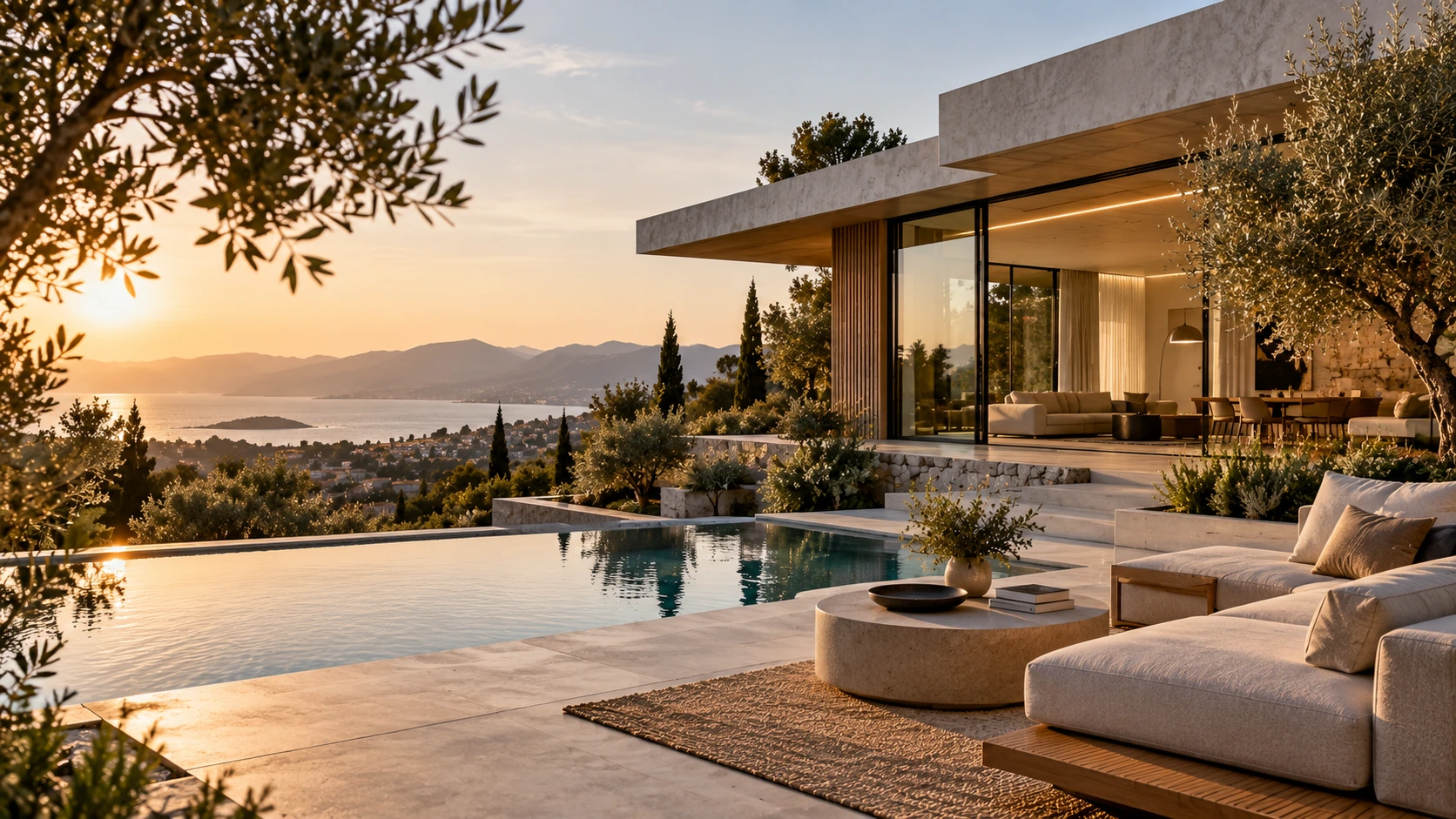
The neighborhood is part of the home
Residential architecture should not stop at the property line. Walkability, street edges, local services and access to public space shape how residents experience the project every day.
WAIDE View
WAIDE evaluates residential architecture as lived experience. A beautiful image matters, but the deeper question is whether the project creates a better framework for everyday life.
Frequently Asked Questions
What are the key residential architecture trends for 2027?
Adaptability, daylight, privacy, shared amenities, landscape integration, climate response and long-term material quality are major priorities.
What makes residential architecture award-worthy?
A strong residential project connects spatial quality, user experience, context, originality and detailed resolution in a coherent way.